top of page

Why Expressive Clothing Is Becoming A Bigger Part Of Modern Fashion And Youth Culture

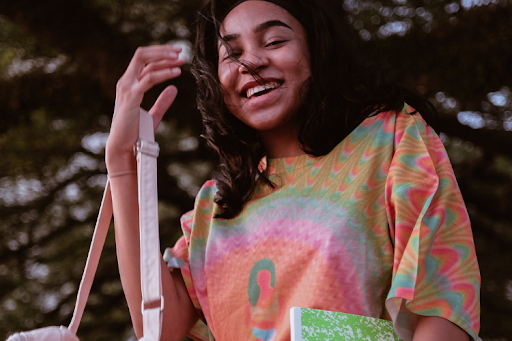
A Cheerful Young Woman in a Tie Dye Shirt
Image Source: Canva

Fashion has always offered people a way to communicate something about themselves before they say a word. Today, that role is becoming even more important as younger generations embrace clothing that reflects their personalities, interests, values, creativity, and connections to different communities.

From vibrant tie-dye and oversized silhouettes to handmade accessories and experimental layering, expressive fashion is appearing everywhere from city streets to music festivals. Rather than simply following seasonal trends, many young consumers are building wardrobes that feel personal, distinctive, and adaptable to their everyday lives.

Fashion Is Becoming More Personal

For decades, mainstream fashion was heavily influenced by a relatively small number of designers, retailers, magazines, and celebrities. While those influences still matter, social media and digital communities have dramatically expanded the number of places where young people discover new styles.

Someone might take inspiration from vintage fashion, streetwear, music culture, skateboarding, independent designers, or an online creator and combine those influences into something entirely individual. This freedom encourages people to view clothing less as a uniform and more as a creative toolkit.

Personal style also gives people the opportunity to experiment without committing to one particular aesthetic. A wardrobe can include colorful graphic shirts one day, minimalist basics the next, and nostalgic pieces inspired by previous decades later in the week.

Social Media Has Expanded Fashion Inspiration

Platforms built around images and short-form video have transformed how quickly fashion ideas travel. Instead of waiting for a magazine issue or runway collection, consumers can now see emerging looks from people around the world almost instantly.

This has helped create a fashion environment where multiple aesthetics can thrive simultaneously. Streetwear, Y2K fashion, maximalism, vintage sportswear, colorful knitwear, and DIY-inspired clothing can all attract dedicated audiences without necessarily becoming universal mainstream trends.

Young consumers can also participate directly by sharing their own outfits and styling ideas. Fashion inspiration has therefore become a conversation rather than something that flows exclusively from established brands to consumers.

Color Is Making A Strong Statement

Neutral wardrobes remain popular, but bold color has become an important tool for people who want their clothing to feel more expressive. Bright combinations, unexpected contrasts, gradients, and multicolored prints can transform relatively simple garments into visually memorable pieces.

Tie-dye is a particularly recognizable example because every pattern naturally creates a sense of movement and individuality. Brands such as Free Spirited Clothing offer tie-dye shirts, hoodies, tanks, dresses, and other colorful pieces that fit naturally into this growing interest in expressive everyday clothing.

Color can also make familiar wardrobe staples feel fresh without requiring complicated styling. A vibrant hoodie or patterned shirt can become the focal point of an outfit when paired with jeans, sneakers, or other understated basics.

Youth Culture Has Always Influenced Fashion

Some of fashion's most influential movements have developed outside traditional fashion institutions. Music scenes, artistic communities, sports cultures, and youth subcultures have repeatedly transformed practical or unconventional clothing into styles eventually embraced by wider audiences.

That pattern continues today, although digital communication allows trends to move much faster. A styling idea that develops within a relatively small online community can reach millions of people within days and inspire countless interpretations.

The difference is that contemporary youth culture is increasingly fragmented into overlapping communities rather than dominated by only a handful of major movements. This creates space for more experimentation and makes it easier for individuals to combine influences rather than conform to a single recognizable look.

Nostalgia Continues To Shape New Trends

Fashion constantly revisits its own history, and expressive clothing provides plenty of opportunities for reinterpretation. Tie-dye recalls the counterculture movements of the 1960s and 1970s, while oversized graphics, colorful sportswear, and relaxed silhouettes can evoke the 1980s, 1990s, or early 2000s.

Younger consumers often approach these influences without trying to recreate an entire period accurately. Instead, they select particular colors, shapes, prints, or accessories and combine them with contemporary pieces.

This approach keeps nostalgic fashion from feeling like costume. A retro-inspired shirt paired with modern sneakers and relaxed denim, for example, can acknowledge the past while still feeling relevant to current street style.

Music And Art Remain Powerful Influences

Fashion, music, and visual art have always influenced one another, making expressive clothing particularly relevant within contemporary creative culture. Album artwork, concert merchandise, underground scenes, street art, and performance aesthetics can all introduce colors and visual ideas that eventually find their way into everyday wardrobes.

Musicians also have considerable freedom to challenge conventional ideas about how clothing should be worn. Their audiences may adopt individual elements of those looks, helping experimental combinations move from the stage into mainstream culture.

Artistic influence does not require extravagant clothing, either. Interesting textures, unusual color combinations, hand-drawn graphics, or distinctive patterns can give an otherwise straightforward outfit a stronger creative identity.

Comfort And Creativity Can Coexist

One reason expressive fashion has become so accessible is that it no longer requires sacrificing comfort. Hoodies, T-shirts, tanks, relaxed pants, and other casual staples can serve as canvases for colorful prints, artwork, embroidery, and distinctive patterns.

This combination works particularly well with modern lifestyles where the boundaries between different dress codes have become less rigid. Comfortable clothing can move between home, school, casual workplaces, social gatherings, creative events, and weekend activities with relatively minor styling changes.

Consumers can therefore express themselves without building a wardrobe filled exclusively with statement pieces. Sometimes a single colorful shirt or hoodie is enough to give an otherwise simple outfit personality.

Individuality Matters More Than Following Every Trend

Constant exposure to rapidly changing trends can make fashion feel overwhelming. Expressive personal style offers an alternative by encouraging people to identify what they genuinely enjoy wearing instead of replacing their wardrobes every time a new aesthetic becomes popular.

That approach can result in more interesting combinations because pieces do not need to belong to the same trend cycle. Vintage finds, colorful contemporary clothing, favorite sneakers, handmade accessories, and long-owned basics can all coexist when the person wearing them feels confident in the combination.

Developing personal style is also an ongoing process rather than a final destination. Tastes change, lifestyles evolve, and experimentation helps people discover which colors, silhouettes, and designs feel most authentic to them.

Fashion Is Becoming A Creative Language

Modern fashion is increasingly shaped by people who want clothing to communicate personality rather than simply demonstrate awareness of current trends. Social media, music, art, nostalgia, and global youth cultures have created an environment where individuals have access to more inspiration than ever before.

Expressive clothing fits naturally into that environment because it allows fashion to be playful, adaptable, and personal. Whether someone chooses vibrant tie-dye, unusual graphics, experimental layering, or simply an unexpected splash of color, the growing emphasis on individuality suggests that modern style is becoming less about fitting in and more about deciding how you want to be seen.


Comments


INTERVIEWS
RECENT POSTS

© 2023 by New Wave Magazine. Proudly created by New Wave Studios

bottom of page