The Slow-Glow Movement: Why Youth Culture is Rejecting Instant Fillers
top of page

The Slow-Glow Movement: Why Youth Culture is Rejecting Instant Fillers

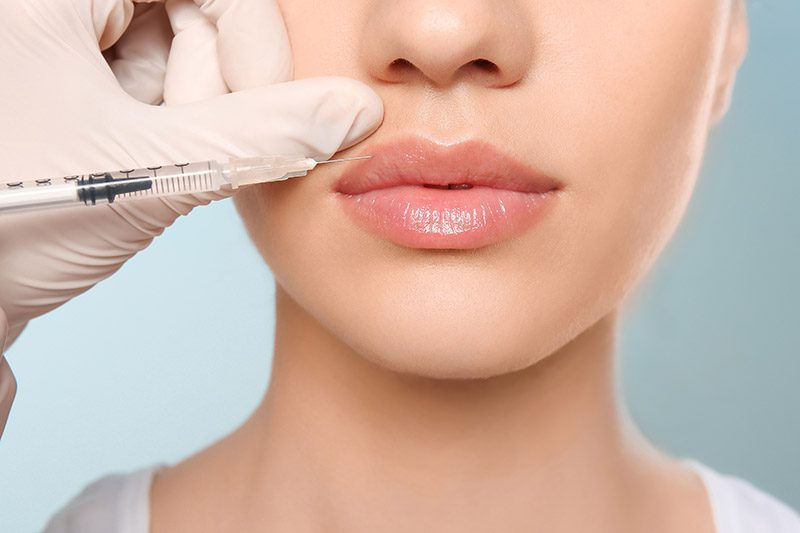
Something changed in the way we look at faces online. You can see it in the data; you can see it in the changing aesthetics of social media feeds. For a long time, the goal was immediate perfection. People wanted sharp, instant definitions. They wanted high cheekbones and plump lips within an hour of walking into a clinic. It was a fast solution. But the cultural pendulum is moving back.

We are watching a real movement take shape. It is a slow, quiet shift. Young people are looking at the long-term reality of over-filled faces. They see the puffiness. They notice the heavy, static look that comes with years of continuous gel volume. The new preference focuses on patience. It values the natural response of the body over the instant gratification of a syringe.

This shift changes the entire aesthetic landscape. The focus is no longer on altering features overnight. Instead, the current generation cares about long-term tissue quality. They want a subtle change. They want a look that feels completely native to their own anatomy.

The Aesthetic Overload and the Rise of Filler Fatigue

The internet moves fast, but human anatomy does not. For the past decade, social platforms created an intense demand for instant physical modifications. Hyaluronic acid gel became the default tool for this phenomenon. It offered an immediate result; a quick shift in volume that looked great under a specific ring light. However, years of continuous maintenance revealed a different side to this trend.

People started noticing the phenomena of filler migration and facial over-saturation. The tissue can only hold so much weight before it shifts. This realization created what experts call filler fatigue.

The aesthetic community is re-evaluating the definition of a healthy face. People want movement. They want the skin to bounce naturally when they smile. The frozen, overly contoured look is losing its appeal among younger demographics. They prefer something that builds gradually. This change is entirely about longevity; it is a rejection of the immediate, heavy aesthetic that dominated the last ten years.

Longevity Over Instant Gratification

The modern consumer values the underlying structure. They ask deeper questions during consultations. They want to know how a product behaves over five or ten years, not just how it looks the next morning. This is where the concept of tissue stimulation comes into the picture.

Instead of forcing a foreign volume into the facial planes, the focus has turned to encouraging the skin to support itself. It is a biological investment strategy. The body gets a signal to produce its own structural scaffolding. It takes months to see the results. But the outcome looks entirely real because it actually is real tissue.

Medical professionals are adapting their ordering habits to match this demand. Clinics require reliable access to specialized products that offer these long-term benefits. Working with an established Sculptra injectable supplier allows providers to stock advanced poly-L-lactic acid formulas. These treatments do not simply fill a line; they prompt a gradual, biological response that creates a firmer foundation over time. This approach fits perfectly with the new cultural mindset.

The market responds directly to what patients want. Right now, patients want discretion. They like the idea that their acquaintances cannot pinpoint exactly what work was done. The gradual improvement looks like a lifestyle change; a good vacation, better sleep, or a dedicated wellness routine.

The Logistics of the Gradual Change

Choosing a slow approach requires a completely different mindset. It means scheduling multiple sessions over several months. It requires an acceptance of the waiting period. The process relies on micro-particles that trigger a mild, controlled response deep within the dermis.

  • The initial phase creates no visible change once the water carrier dissipates.

  • The second phase relies on the fibroblasts to create fresh structural support.

  • The final phase offers a subtle fullness that conforms to the original facial structure.

This specific timeline filters out people who want immediate dramatic changes. It attracts individuals who think about their faces the same way they think about savings accounts. They want steady growth. They prefer a stable foundation that prevents the premature sagging often caused by heavy, water-retaining gels.

The mechanical stress on the skin matters too. Heavy fillers can stretch the tissue over time; a consequence that often leads to a cycle of needing even more product to achieve the same result. The slow approach avoids this cycle completely. It keeps the skin compact.

Redefining the Value of Aging Well

The language around cosmetic procedures is shifting away from anti-aging. Younger people recognize that aging is inevitable; they just want to control the manner in which it happens. They see the beauty in structural integrity. They want to avoid the universal appearance that heavy filler usage often creates across different faces.

Identity plays a significant role in this choice. When every person uses the same contouring techniques, individual character disappears. The slow approach preserves the unique characteristics of a face. It maintains the original expressions. It builds up the thickness of the skin without changing the actual shape of the bone structure or the muscles underneath.

The financial aspect is also part of the analysis. Instant treatments require regular top-ups to maintain their look, which can lead to unpredictable costs. Biological stimulators often hold their results much longer because the new structure consists of the patient's own tissue. The initial investment might seem higher, but the long-term maintenance is often much more manageable.

A Cultural Return to Biological Realism

The obsession with flawless digital filters is creating a counter-reaction in the real world. People are tired of looking at faces that look identical across every platform. They want texture. They want to see the natural variation of skin under daylight.

This cultural movement changes how people view medical aesthetics. It is no longer about hiding flaws or creating a completely new persona. It is about supporting the biological functions that keep the skin resilient. The youth culture is realizing that true aesthetic longevity comes from working with the body; not trying to force it into an immediate, unnatural mold.

The shift toward slow-acting alternatives represents a mature view of personal care. It shows an awareness of long-term consequences. The focus remains fixed on the future; a future where the face ages gracefully, naturally, and with its unique character fully intact.


INTERVIEWS
RECENT POSTS

© 2023 by New Wave Magazine. Proudly created by New Wave Studios

bottom of page