top of page

108 Brasserie And The Enduring Appeal Of British Fine Dining

1 hour ago
4 min read

British dining culture has always been at its strongest when it understands the value of good produce, considered hospitality and an atmosphere that encourages people to stay a little longer. At a time when London's restaurant scene continues to embrace international influences and constantly changing dining trends, there remains something particularly appealing about the traditional brasserie. 108 Brasserie, tucked away on Marylebone Lane, offers a contemporary interpretation of this tradition, bringing seasonal British ingredients together with global influences in a setting that feels both considered and welcoming.


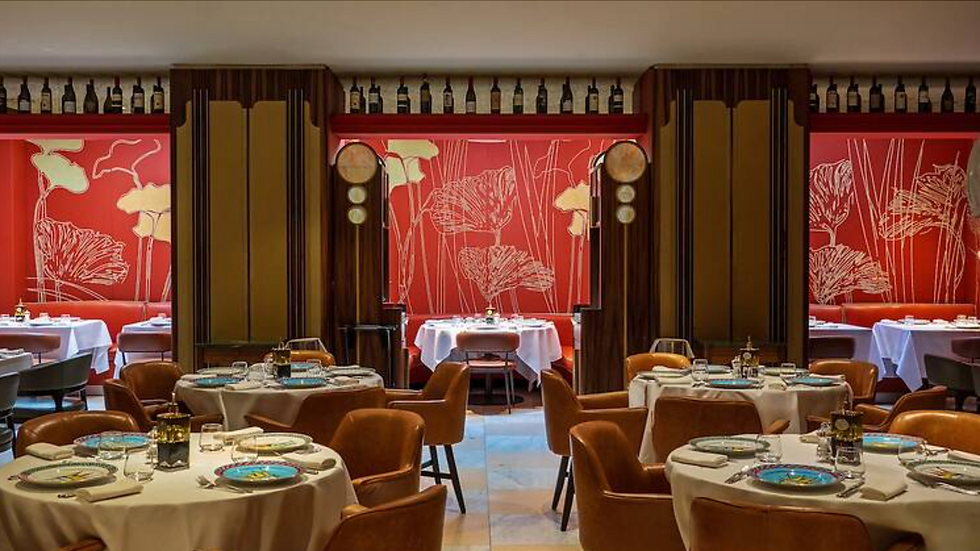
The architecture and interiors establish the character of the restaurant. There is a certain European sensibility to the space, with high ceilings, decorative wall detailing, expansive mirrors and dark framed glass partitions creating a sense of depth throughout. The combination of marble tables, polished wood flooring and deep red leather seating gives the restaurant a warmth that is difficult to manufacture. The red banquettes and individual leather chairs are particularly striking, bringing a touch of old school glamour to the room without making the experience feel overly formal.


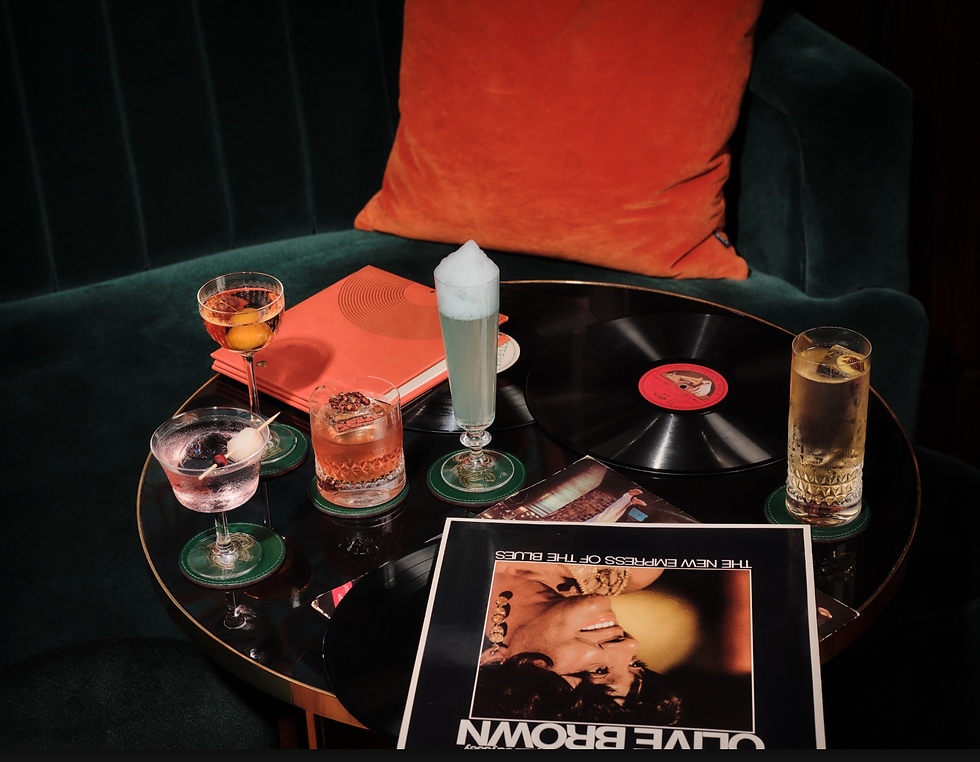
The layout also deserves attention. Seating is arranged across intimate tables and larger banquette areas, with a beautiful bar and illuminated bottle displays providing a natural focal point. The lighting is warm and carefully distributed, with individual table lamps adding to the atmosphere as the evening progresses. Music plays an equally important role, with a considered soundtrack giving the restaurant an energy that complements the interiors. It is the sort of place where the environment contributes as much to the evening as the food itself.


The menu reflects an understanding of what makes a good brasserie work. British produce provides the foundation, while ingredients and techniques from elsewhere introduce a wider perspective. We began with the tempura prawns, served with shiso leaf, lime and a spicy cocktail sauce, alongside the Lambert & Jackson salmon gravlax with pickled cucumber, dill crème fraîche and dark rye bread. Both dishes offered a good introduction to the kitchen's approach, balancing familiar ingredients with freshness, texture and well judged seasoning. The gravlax was particularly enjoyable, with the dill and cucumber bringing a lightness to the richness of the salmon.


For the main course, we opted for the 280g Black Angus grass fed ribeye steak, locally sourced from Surrey. Cooked with a beautifully developed exterior, the steak had the depth of flavour and tenderness expected from a quality cut. The accompanying café de Paris butter added another layer of richness, while the hand cut chips provided a familiar brasserie pairing. There is a particular satisfaction in ordering a good ribeye and allowing the quality of the meat to speak for itself, and this was a dish that delivered on that expectation.


The wine selection deserves its own mention, with an extensive list that offers so much variety it can almost make choosing a bottle an indecisive exercise. Thankfully, our waiter was on hand to guide us through the options, taking the time to understand our preferences and recommend a red that would complement the ribeye. That personal knowledge of the menu added another layer to the hospitality, making the decision feel considered and ensuring the pairing worked beautifully with the meal. The restaurant offering a considered selection that caters to different preferences and occasions. The pairing brought out the richness of the meat while complementing the butter and seasoning. It was also a reminder that wine service remains an important part of the dining experience, especially in restaurants that understand the relationship between a well constructed menu and what is poured alongside it.


Hospitality was another notable part of the evening. Service was attentive without becoming intrusive, with glasses and water consistently replenished and the team maintaining a good awareness of the table throughout the meal. These details can often be overlooked when discussing restaurants, but they make a considerable difference to the overall experience. The ability to feel looked after without being rushed is an important part of what distinguishes quality hospitality, and 108 Brasserie handles this particularly well.


Dessert offered a fitting conclusion to the evening, with the Five Farms Tiramisu bringing a familiar Italian classic into the restaurant's contemporary repertoire. Rich, creamy and finished with a cocoa nib tuile, it balanced indulgence with a welcome textural contrast. The Roasted Miso Glazed Pineapple offered a different direction, introducing a more adventurous combination of sweetness and savoury depth. The miso glaze added complexity to the caramelised fruit, creating a lighter yet equally considered finish. Both desserts demonstrated the kitchen's willingness to work with familiar ideas while introducing subtle twists that keep the menu interesting.


Ultimately, 108 Brasserie is a reminder of why British fine dining and the wider brasserie tradition remain important to London's cultural landscape. The conversation around restaurants can often become preoccupied with novelty, spectacle and the next major opening, but the foundations of a memorable dining experience remain remarkably consistent: good ingredients, confident cooking, thoughtful interiors, excellent music, a strong wine selection and hospitality that makes people feel welcome. 108 brings these elements together with a sense of ease, offering a neighbourhood restaurant with enough character to make it worth returning to. It is an appreciation of the details that make dining an experience.

Comments


INTERVIEWS
RECENT POSTS

© 2023 by New Wave Magazine. Proudly created by New Wave Studios

bottom of page