




Get to Know: Johnny Venus
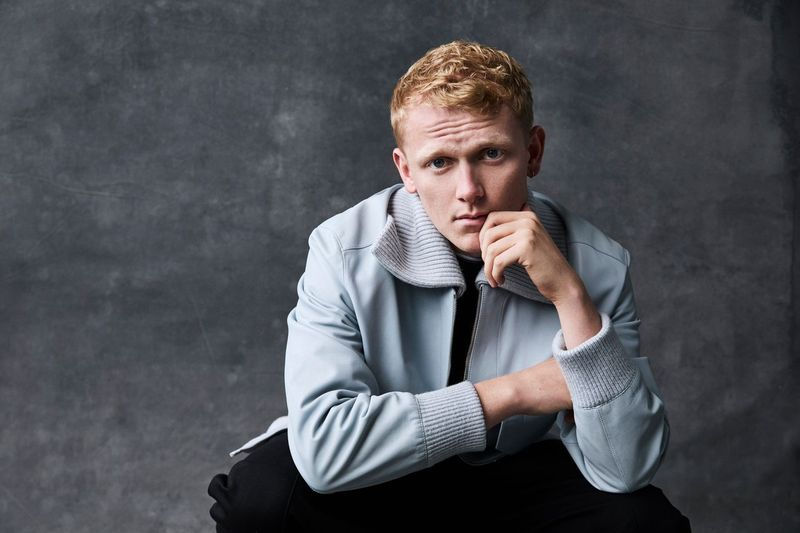
Photo Credit: Rafael Avcioglu “There’s a time for everything.” Johnny Venus says this while talking about the impermanence of love, the people who enter our lives, and the strange process of learning when to hold on and when to let go. But the sentiment extends far beyond the relationship he is describing. It feels equally at home within THE 11TH HOUR, an album that moves through its own succession of emotional states, each song occupying its own moment, memory, or feeling. “


Jay Sean: Building a Legacy, One ‘Body’ at a Time
Jay Sean is entering another chapter. Following a career that has taken him from London to the top of the Billboard Hot 100, with global hits including ‘Down’ and ‘Ride It’, the British-Indian artist is moving forward with new music while looking towards the legacy he aims to leave behind. His latest single, ‘Body’, marks a shift in sound, blending Afro-dance and Afro-house influences with the R&B melodies that have long defined him. “I wanted something global sounding becaus


Sango on Rhythm, Melody and Everything In Between
We caught up with Sango to talk about his musical upbringing, discovering baile funk, the early days of Soulection and SoundCloud and the importance of community and collaboration.


Love Spells on Finding Truth Through Music
There is a striking lack of a filter when you talk to Love Spells. In an era where artists frequently hide behind heavily curated mystique or layers of irony, the 21-year-old singer-songwriter prefers to pull thoughts straight out of his head and lay them out over a track. This trait extends all the way back to his moniker. Born out of teasing from his friends, the name became a badge of honor. He admits he was always a hopeless romantic, and said “It seemed like I was under


The Joyful Chaos of WHATMORE
A few minutes after stepping off stage at London's Roundhouse, WHATMORE are still riding the adrenaline of their set opening for Joey Valence & Brae. The New York based five-piece consisting of Cisco Swank, Yoshi T., Jackson August, Sebastiano, and Elijah Judah have risen as one of the more refreshing acts in the last few years with excellently curated world-building and visuals as well as a varied selection of sonics that seamlessly blend elements of hip-hop, alt-R&B, and in


Comments