top of page

Boxing on Screen: Why the Ring Still Shapes Modern Film Drama

Boxing has always given filmmakers a rare kind of dramatic architecture. Two people step into a defined space, the rules are visible, the body keeps score, and every round forces a character to reveal something. That is why boxing films rarely feel like they are only about sport.

The ring is a stage, but it is also a pressure chamber. It can hold class anxiety, family conflict, masculinity, loneliness, ambition, failure, and reinvention without needing to explain them too loudly. In the wider fan culture around sport, where performance is endlessly interpreted through stats, narratives, and shifting expectations, platforms such as RG Canada — rg.org/en-ca belong to the same broader ecosystem of audiences trying to read competition beyond the final result.

For film, boxing remains useful because it turns inner conflict into visible movement. A character can dodge, clinch, overreach, tire, recover, or refuse to fall. The camera does not have to translate the emotion from scratch. The sport has already given it a language.

The ring gives cinema a clean dramatic shape

A boxing match has a built-in beginning, middle, and end. There is a bell, a corner, a count, a crowd, and a final decision. That structure is almost too perfect for cinema because it creates tension without the need for artificial stakes.

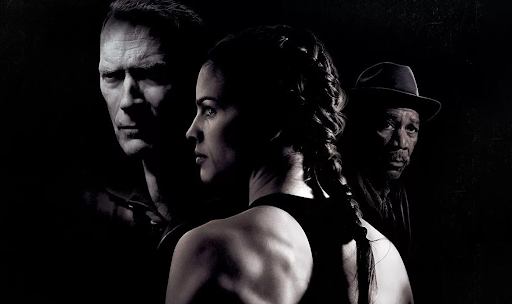
Yet the most memorable boxing films are not remembered only for who wins. Rocky is not simply about a fighter getting a shot. Raging Bull is not simply about Jake LaMotta’s record. Million Dollar Baby is not only about training. Each film uses the ring as a device to measure what the character cannot manage outside it.

That is the genre’s quiet trick. The fight is concrete, but the meaning is psychological. The punch lands on the body, while the real damage often belongs to family, pride, love, ego, or memory.

Why boxing films make character visible

Many sports films rely on teamwork, tactics, or a season-long arc. Boxing is different because it isolates the character. There is no teammate to hide behind once the bell rings. Even the trainer, usually one of the most important figures in the story, has to step back.

This makes boxing ideal for character study. The athlete’s strengths and weaknesses become cinematic behavior. A defensive fighter may look controlled but afraid. An aggressive fighter may appear brave but reckless. A tired fighter may reveal more through footwork than through dialogue.

A strong boxing scene can show:

  • how much discipline a character has under pressure

  • whether anger helps or destroys them

  • how they respond when a plan fails

  • whether they listen to advice

  • what kind of fear they are trying to hide

  • how much pain they are willing to turn into identity

This is why the training montage became such a durable screen language. It condenses time, effort, repetition, and self-belief into rhythm. When done well, it is not filler. It is a compressed biography of the body.

The genre keeps changing because boxing keeps absorbing culture

Boxing films often return to familiar images: the worn gym, the taped hands, the lonely roadwork, the corner stool, the mouthguard, the crowd blur. The repetition is not a weakness. It gives each film a shared vocabulary, then lets the filmmaker adjust the meaning.

In Rocky, the underdog story is built around dignity. The aim is not only victory but proof of self. In Raging Bull, the body becomes a site of punishment and obsession. The ring is not a ladder out of pain. It becomes another room where pain is repeated.

Later films expand the frame. Girlfight uses boxing to contain grief and rage in a story shaped around a young woman entering a traditionally male space. The Fighter turns the sport into a family and community drama, where the fight outside the ropes can feel as heavy as the official bout. Creed reworks inheritance, fame, and legacy through a character trying to build a name while carrying someone else’s.

Film

What the ring represents

Why it still resonates

Rocky

Dignity under pressure

The ending values self-respect as much as victory

Raging Bull

Ego, punishment, and control

The fight scenes expose emotional violence rather than glory

Girlfight

Discipline as a container for anger

The gym becomes a place to redirect pain into form

Million Dollar Baby

Trust between fighter and trainer

The sport opens into a story about care, risk, and consequence

The Fighter

Family pressure and local identity

The boxer’s career is inseparable from home, loyalty, and reputation

Creed

Legacy and self-definition

The franchise uses boxing to ask what a name is worth

The table shows why boxing cinema survives repetition. The ring may look similar from film to film, but the question it asks keeps changing.

The camera understands boxing better than many sports

Some sports are difficult to film because the action depends on space, systems, and context. Boxing gives the camera faces, hands, sweat, breath, impact, and silence. It allows a director to move from spectacle to intimacy in seconds.

A wide shot can show isolation. A close-up can show panic. A corner shot can turn a trainer’s advice into a confession. Slow motion can make a punch feel mythic, while handheld camerawork can make it feel messy and immediate.

That range explains why boxing films attract directors interested in style as much as sport. The ring is symmetrical, but the filmmaking does not have to be. A clean frame can suggest control. A chaotic frame can suggest collapse. Black-and-white photography, grain, heavy sound design, or sudden quiet can all change how the audience reads the same basic action.

In this sense, boxing is not just a subject. It is a cinematographic tool.

Why boxing stories are rarely only about winning

The most interesting boxing films often complicate the victory arc. Winning may bring money, recognition, or survival, but it can also reveal what the character has sacrificed. Losing may look like failure, but it can become a form of self-knowledge.

That is why the genre often resists simple triumph. The audience may arrive for the fight, but the film usually asks a more uncomfortable question: what happens when the thing that saves a person also damages them?

This tension gives boxing cinema its lasting emotional charge. The sport promises control through discipline, but every fight includes uncertainty. A character can train correctly, believe deeply, and still be changed by one mistake. That fragility keeps the drama human.

Athlete bodies and actor bodies meet in the genre

Boxing cinema also creates a unique demand on performance. The actor has to carry emotional credibility, but the body must also look trained enough to belong in the ring. That does not mean every punch has to be documentary-real. It means the audience must believe the character has lived through the work.

This is why preparation stories often become part of a boxing film’s mythology. Viewers talk about physical transformation because it seems to prove commitment. At the same time, transformation alone is not enough. The performance still has to reveal thought, fear, timing, and contradiction.

The genre sits between choreography and acting. A fighter’s stance can become character. A flinch can become backstory. A refusal to go down can become the entire emotional thesis of a film.

Why the boxing film keeps returning

Boxing films endure because they make abstract conflicts legible. Pride becomes posture. Fear becomes distance. Hope becomes footwork. Collapse becomes a count. Few genres can translate the inner life into physical action with that much economy.

The ring also gives filmmakers a way to talk about the audience itself. We watch, judge, cheer, doubt, and mythologize. We turn athletes into symbols, then expect them to survive the stories we place on them. Boxing films understand that exchange better than most sports dramas.

That is why the genre continues to matter. It is not just about violence, competition, or comeback narratives. It is about what pressure reveals when there is nowhere left to hide.


Comments


INTERVIEWS
Mens Journal 1x1.png
RECENT POSTS
Mens Journal long.png

© 2023 by New Wave Magazine. Proudly created by New Wave Studios

bottom of page