
top of page

Beyond the It-Bag: How Handbags Become Cultural Icons

Every fashion season produces a handbag that photographers chase, editors debate and social feeds repeat until it seems impossible to look elsewhere. Most vanish when the next collection arrives.

A rare few escape that cycle. They become part of fashion’s collective memory, recognised years later by people who may never have entered the boutique where they were first sold.

Price alone cannot explain this transformation. Nor can visibility. The Hermès Birkin built its reputation less through conventional advertising than through craftsmanship, controlled availability and decades of cultural repetition. It appeared on the arms of women whose names already carried ideas about taste, power and access, then took on new meanings as collectors, stylists and younger audiences adopted it for themselves.

What makes a bag fashionable is relatively easy to identify. What makes it last is more elusive. The answer lies somewhere between design, storytelling, celebrity, personal identity and the curious second life handbags acquired through luxury resale.

From Moment to Memory

Popularity Versus Permanence

A successful launch can create an It-bag. Cultural permanence demands something more.

The It-bag belongs to a particular moment. It may be attached to a celebrity, a campaign or a season in which one silhouette suddenly appears everywhere. Its popularity is immediate, highly visible and often brief. Once the surrounding mood changes, the object can lose much of its meaning.

An icon survives the mood that created it.

Sales figures offer only part of the picture. A handbag becomes culturally significant when its visual identity remains intact through repeated reinterpretation. Materials may change. Proportions may shift. New colours arrive, disappear and return. Yet the object remains instantly legible.

Designs That Absorb New Meaning

The Chanel Classic Flap illustrates that balance. It has appeared in countless fabrics, finishes and colourways, but its quilting, chain strap and structured form remain unmistakable. The Hermès Birkin has followed a similar path. Sizes, leathers and hardware combinations vary, while the essential silhouette continues to hold its ground.

Meaning changes around these objects. A bag that once represented formal status may later suggest nostalgia, connoisseurship or studied nonchalance. The design remains familiar, but each generation finds a different way to carry it.

That ability to absorb new associations without surrendering its identity is where fashion ends and iconography begins.

The Silhouette That Stays

Recognisable Without a Logo

Before provenance, pricing or celebrity association enters the conversation, the eye registers shape.

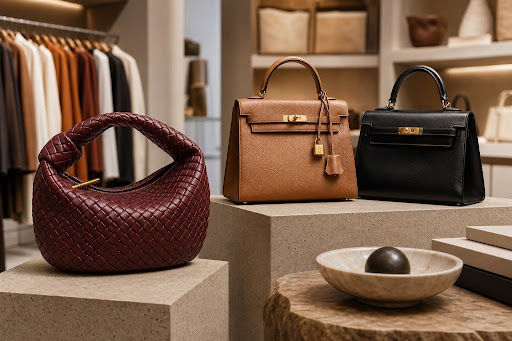
The Birkin’s structured body, top handles, flap and hardware form a silhouette that can be recognised without a visible logo. The same is true of the Chanel flap bag, whose diamond quilting and interwoven chain have become visual shorthand for the house itself.

Recognition does not require symmetry. The Dior Saddle Bag built its identity around an eccentric curve that felt unlike almost anything else on the market. Its unconventional shape became its advantage, particularly when archive fashion returned to the centre of contemporary styling.

A New Model of Icon Status

Telfar offers a different model. The Shopping Bag did not rely on decades of heritage or traditional ideas of exclusivity. Its clean, practical form became culturally significant through accessibility, community and shared identity. It demonstrated that a modern icon could emerge from participation rather than distance.

These bags differ in price, history and audience, but they share a quality that is difficult to manufacture: clarity. Each can be reduced to an outline and still be understood.

A lasting silhouette works without explanation. It remains consistent across collections, reads immediately in photographs and retains its identity even as styling changes around it. Logos may strengthen recognition, but the most enduring designs do not depend on them.

When a Bag Becomes Cultural Shorthand

From Visibility to Recognition

Design creates recognition. Culture gives that recognition meaning.

A celebrity appearance can introduce a bag to millions of people, but a single image rarely creates an icon. Permanence comes through recurrence. The object must continue to surface across different settings, generations and forms of media.

The Fendi Baguette became inseparable from late 1990s and early 2000s television culture, particularly through Sex and the City. Its screen presence pushed it beyond the fashion audience and into a broader visual vocabulary. Years later, the bag’s revival felt less like the return of a forgotten product than the reappearance of a familiar character.

The Wearer Changes the Message

The Birkin is equally capable of changing tone. Pristine and carefully stored, it may communicate heritage and control. Worn daily, softened at the corners or covered with personal charms, it can suggest confidence, irreverence or indifference to convention. The object remains the same, but the wearer alters the message.

Lady Dior acquired much of its cultural force through its association with public elegance. Telfar emerged through a collective sense of ownership and belonging. In each case, the bag became more than an accessory because people used it to communicate something about themselves.

Social media has accelerated this process. A design can become globally recognisable within days. The same speed, however, can produce exhaustion. Visibility is no longer the challenge. Surviving visibility is.

Craft, Scarcity and the Life of an Object

Why Construction Matters

Once an image captures attention, materials and construction determine how long that interest can be sustained.

Full-grain leather, hand-finished edges and precise stitching influence more than appearance. They shape how a handbag responds to time. A well-made piece can soften, develop patina, be repaired and continue circulating long after its original season has disappeared from view.

This physical longevity gives cultural memory something tangible to hold onto.

Rarity After Recognition

Scarcity contributes to desire, but rarity alone cannot create significance. Restricting access to an unremarkable object does little for its cultural standing. Scarcity becomes powerful only after a design has earned recognition and emotional weight.

Collectors therefore look beyond the model name. Hardware finishes, leather types, sizes and proportions can transform the character of an otherwise familiar bag. Discontinued colours and materials often gain significance because they capture a specific period in a house’s history.

Condition introduces another layer. In some cases, pristine preservation is the priority. Elsewhere, softened quilting, worn handles or a darkened patina may become part of the appeal. Vintage Chanel bags often demonstrate this tension. Their signs of use can reveal the life of the object rather than simply diminishing it.

The most compelling icons balance consistency with difference. They are recognisable enough to belong to a shared cultural story, yet varied enough to feel personal in the hands of an individual collector.

Resale as Fashion’s Living Archive

What the Secondary Market Preserves

Luxury resale is often discussed as a marketplace. It can also function as an archive.

The pieces that continue to circulate reveal which designs retained meaning after their retail moment passed. Discontinued Chanel flaps, early Dior Saddle Bags and decades-old Hermès pieces remain visible because collectors still recognise something relevant in them.

Authentication is central to this system. Close examination of stitching, leather, hardware and construction protects the buyer, but it also preserves the integrity of the design. A credible assessment confirms what the object is, when it was made and how faithfully it reflects the standards associated with its origin.

Condition reports and provenance records add further context. They document alterations, repairs and signs of use, helping distinguish an authentic object with a lived history from something that merely resembles it.

Regional Expertise and Global Icons

Regional specialists also show how global icons circulate through local collector communities. Rome Station offers one example of how a trusted luxury resale expert can document an authenticated Hermes Birkin bag in Canada, clarifying differences in size, leather, condition and rarity without reducing the bag to a passing trend.

Such expertise interprets the object rather than creating its importance. A specialist may identify a rare combination or an unusually well-preserved example, but the cultural meaning of the Birkin was established through years of design, use and public recognition.

Resale allows that meaning to continue. Each new owner adds another layer to the handbag’s history. The transaction is not an ending. It is another stage in the object’s cultural life.

The Anatomy of Staying Power

No Single Formula Creates an Icon

No single quality guarantees a handbag’s place in fashion history. Celebrity can create attention. Scarcity can intensify desire. Craftsmanship can support longevity. None is sufficient alone.

The strongest icons combine a distinctive silhouette with a story that remains open to reinterpretation.

The Birkin makes this especially clear. One owner may keep the bag carefully protected as a collectible. Another may carry it daily until the leather softens and the corners show wear. Both approaches feel credible because the design can accommodate reverence and familiarity at once.

Relevance Beyond Nostalgia

Archive pieces often return through musicians, stylists and younger collectors who did not experience their original release. This is sometimes dismissed as nostalgia, but nostalgia alone cannot explain sustained relevance. A revived design must still communicate something to the present.

Overexposure can destroy a trend, yet it does not always weaken an icon. Seasonal bags built primarily around conspicuous branding may fade once the visual language feels dated. Designs with structural recognition tend to endure because their identity sits deeper than a logo.

Imitation is another sign of influence, though it cannot reproduce history. A copy may borrow the outline, hardware or proportions of a famous bag. It cannot inherit the decades of craftsmanship, association and personal memory that gave the original its cultural place.

What Fashion Remembers

No campaign, waiting list or celebrity endorsement can make a handbag endure by itself. Lasting status emerges from a more complicated relationship between design, craftsmanship and public imagination.

The Birkin remains one of the clearest examples, but its story belongs to a wider history of handbags that have shaped how fashion communicates identity, aspiration and taste.

Preservation alone does not keep these objects relevant. Brand archives, luxury resale markets and new generations of collectors each play a role, allowing familiar silhouettes to acquire unfamiliar meanings.

The bags fashion remembers tend to share certain qualities. Their recognition does not rely entirely on logos. Their materials and construction can withstand time. Their cultural associations extend beyond a single campaign, celebrity or season.

They do not simply return when nostalgia becomes fashionable. They never fully leave. Their shapes remain lodged in the collective imagination, waiting for the next person to carry them differently.


Comments


INTERVIEWS
RECENT POSTS

© 2023 by New Wave Magazine. Proudly created by New Wave Studios

bottom of page