





Love Spells on Finding Truth Through Music
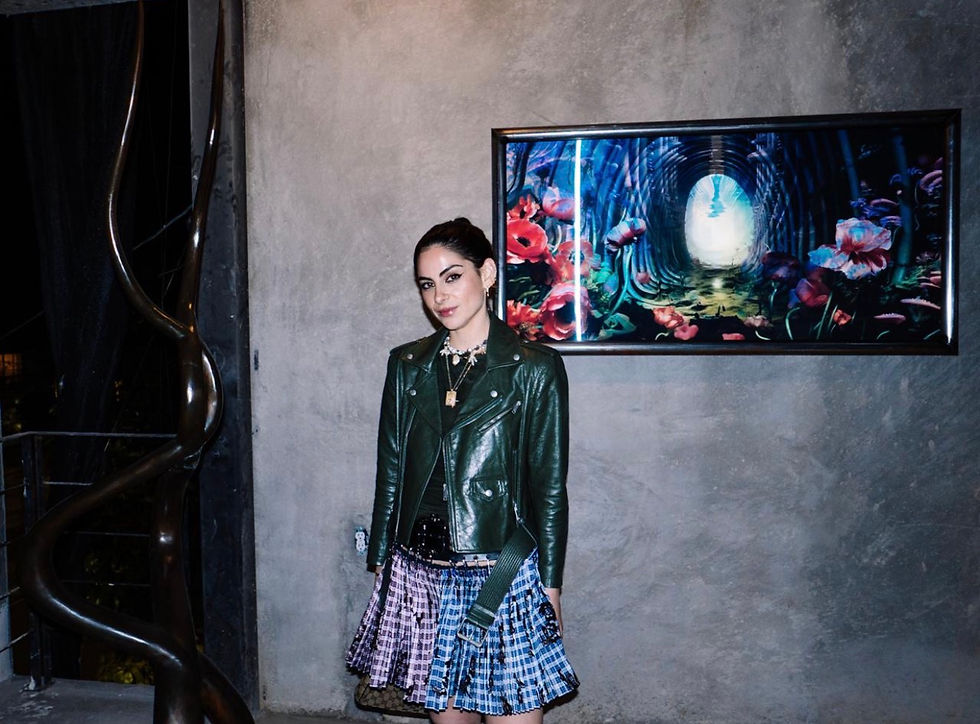
There is a striking lack of a filter when you talk to Love Spells. In an era where artists frequently hide behind heavily curated mystique or layers of irony, the 21-year-old singer-songwriter prefers to pull thoughts straight out of his head and lay them out over a track. This trait extends all the way back to his moniker. Born out of teasing from his friends, the name became a badge of honor. He admits he was always a hopeless romantic, and said “It seemed like I was under


The Joyful Chaos of WHATMORE
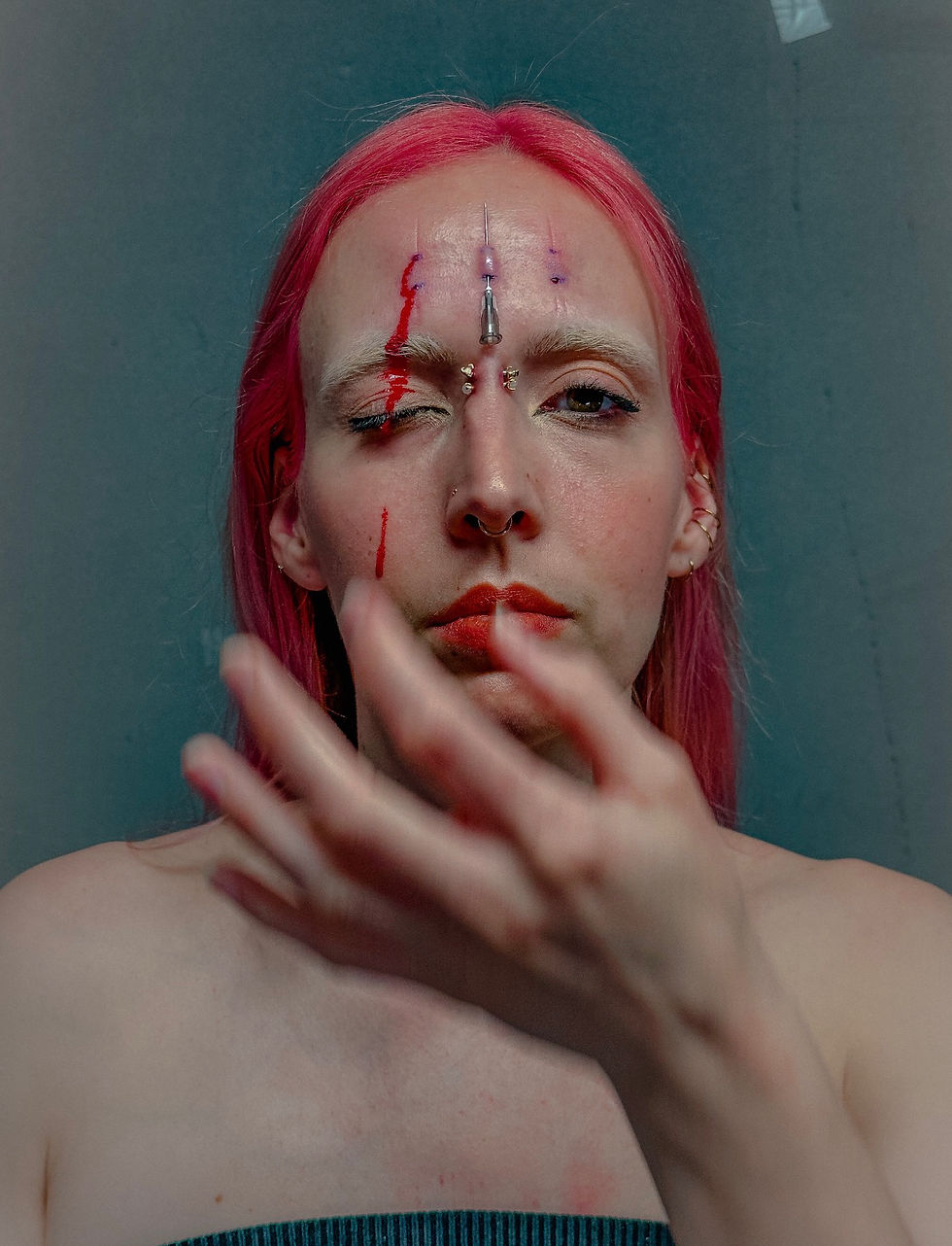
A few minutes after stepping off stage at London's Roundhouse, WHATMORE are still riding the adrenaline of their set opening for Joey Valence & Brae. The New York based five-piece consisting of Cisco Swank, Yoshi T., Jackson August, Sebastiano, and Elijah Judah have risen as one of the more refreshing acts in the last few years with excellently curated world-building and visuals as well as a varied selection of sonics that seamlessly blend elements of hip-hop, alt-R&B, and in


The Soft-Edged Sentiment of Saam Sultan
Music Editor Shenead speaks with one of UK underground's best kept secrets, Saam Sultan on his new EP 'Seraphim' fresh off the stage from a milestone moment in his career.


Bay Swag is Carving Out His Own Lane in Modern Hip-Hop
Hailing from Queens, New York, Bay Swag is among the artists shaping a new sound and style through the Sexy Drill wave while continuing the Big Apple’s musical legacy. His upbringing and environment always kept him ahead of his time, especially as he began making music at 13, then broke through at 16 with his single ‘Rumors.’ Bay Swag’s music reflects his growth and intention as an artist, with dedication to evolving, and he smoothly does so by merging raw storytelling and v


Sarkodie Debuts “Rapperholic” Concert in London on Ghana Independence Day
Legendary rapper Sarkodie has continually put his home country, Ghana, on the world map since his rise. With a career spanning almost two decades at the forefront of African music, the Ghanaian superstar continues to set the pace. In 2012, Sarkodie released an album titled Rapperholic. That album later yielded an eponymous concert held on December 25th in Accra annually. Following years of sold-out shows in Accra, Rapperholic made a yearly move on Kumasi as well. After over


Comments