top of page

How the Hell Do You Make a Comedy About Cancer? George Jaques on the making of “Sunny Dancer”

Updated: 6 hours ago


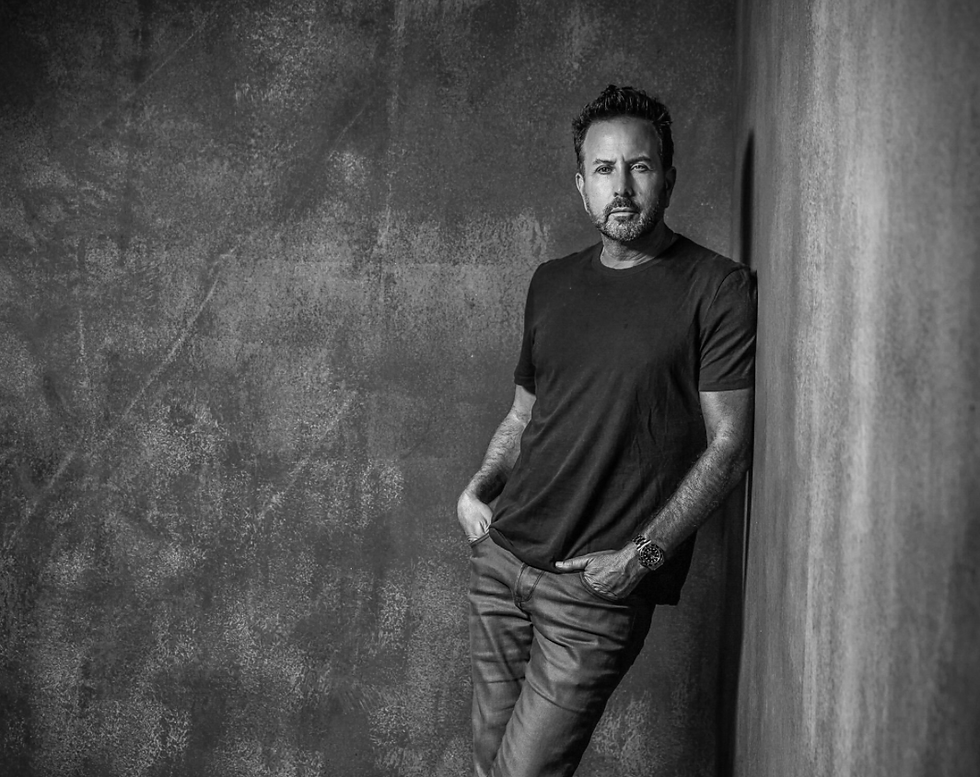
Photographer: David Reiss

Is it more important to make someone cry or laugh when dealing with a “serious” subject? Most films dealing with cancer seem to believe that the former is the only way forward. In comes “Sunny Dancer”, the sophomore feature from George Jaques. It’s a movie much more interested in everything else about what makes a person beyond the diseases they deal with. The film follows Ivy (Bella Ramsey), a seventeen-year-old girl who is forced by her parents (James Norton and Jessica Gunning) to attend a summer camp for teens in remission. Her reluctant attitude is challenged by a peppy Campmaster (Neil Pattrick Harris) as well as a cast of teens starring Britain’s next generation of actors ranging from Earl Cave to Conrad Khan.


“Sunny Dancer” sidesteps the usual scenes associated with cancer, there are no hospitals or shaved heads in sight. Jaques is a young, energetic, and sincere filmmaker who has managed to radiate that energy into a subject often marred by overly sullen portrayals. The film originates not only from a personal place for him but also from one of his closest collaborators, his editor Caitlin Spiller who herself attended one of these camps earlier in her life. With a background in acting, Jaques wanted to have the making of the film feel like we do watching it. He crafted a close bond between cast mates, giving the young cast a chance to be young again as their careers rarely let them. We got the chance to speak with him ahead of the film's theatrical release in UK cinemas on August 14th. 


How did the idea for Sunny Dancer first come to you?


My mom got diagnosed with cancer when I was 15 and I always wanted to tell that story about cancer. But I wanted to make a comedy and that's obviously a really tough thing to do. How the hell do you make a comedy about cancer? At the same time, I wanted to bring back those sort of 90s and 80s ensemble films that I love. 

Then I started working closely with the Teenage Cancer Trust and met a lot of young people who had gone through cancer and what you start to realize is that cancer is the least interesting thing about them. They're full of life and stories. They'll tell you about their 1st snog on the ward, when they used to get their IV drips and race down the corridors and all those things. I was like, “where's that movie?”

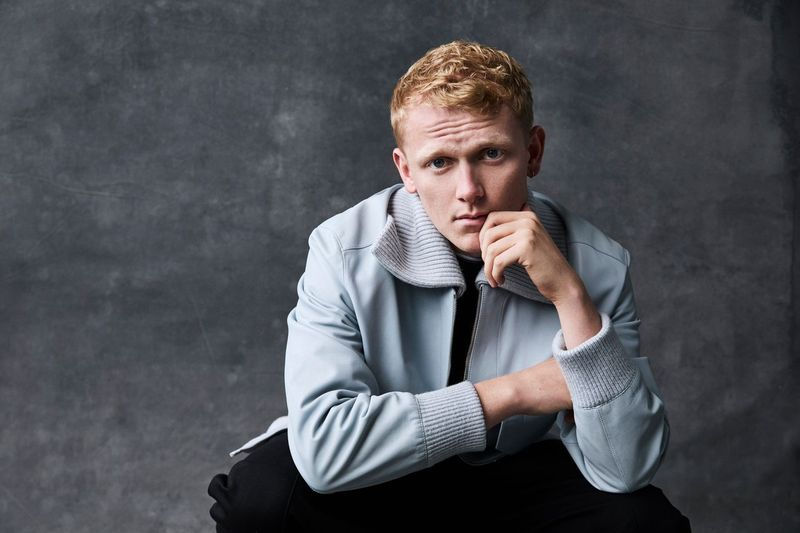
Photographer: David Reiss | Full Look Hermes

The film centres on the less visible side of cancer survival. Talk about your choice to not show these teens in the hospital or looking sickly.


We've all seen those movies, you know, which a lot of them are great. They have their long drawn out death scenes and hospital scenes. What I found so interesting about [the Teenage Cancer Trust] is that it was founded because in the 90s adult survival rates went up and they were increasing and children's survival rates were increasing, but teenagers were staying the same. That was because a lot of teenagers were missing their treatment because they wanted to go to parties or they wanted to go to school or whatever it was. So then they set up these units for young people to go hang out and be young people again. And then it started really increasing the survival rates. 

I got to go visit a lot of these units and it was mad because I saw this guy getting chemo in Ed Hardy jeans and a pair of Jordans and I was like, “what the fuck?”… Because in our industry they've been portrayed as people that are sick in hospital beds and gowns. Of course that's one side of the story, but there's also people that just go in for top off a radio or chemo or whatever it is…. It was a nod to that, really. I focused on the remission part of the story, not the active treatment part. That was a real conscious decision because I was so interested in these young people having another shot at being young people again.


You aptly refer to Bella as “the most famous young person in the world.” What was your experience like working with them and your biggest star lead yet?


Bella and I worked so closely, we had such a strong bond because we spoke a lot about cancer and a lot of personal things that we kept very private between us two. That space was created there, we spoke a lot about why I wrote it and then on set Bella was the best number one in the world. They stay in everyone else's close-ups. They're always on time on set. They're collaborative. They also trusted me explicitly if I said I needed to go again, they would if I said, we had it, they would just trust me. 


This is the first time Este Haim and Zachary Dawes have collaborated together. How was it bringing musicians in to handle the score?


Este came on first… She’d gone to diabetes camp so she loved the script. She's become a really close friend of mine and collaborator. HAIM were on tour that summer so [she brought Zachary on].  He’s Lana Del Rey's bass guitarist. This is the 1st movie I've composed with musicians [rather than] classic composers… the way they look at a scene is very different. With a classic composer they’ll look at a scene and make a shape around it but with them, they're like, “this is the sound that feels right for the scene,” and both are so interesting. 

Photographer: David Reiss | MM6 coat and shoes, Cherry via Harvey Nichols- jumper, Hermes trousers

“I Don’t Feel Like Dancin’” by Scissor Sisters plays multiple times dietetically in the film during key moments. How did you land on it to be the film’s main anthem?


My mum used to play that song a lot when I was growing up. I would have been 7 or 8 [when it came out] so it was just a massive part of my youth. What I love about the song is when that 1st riff comes in, you just can't help but to smile. It felt on the nose at first because it’s called “I don't feel like dancing,” she’s dancing. The song is so positive and camp it just really felt right


Any other needle drops you love?


Can I do three? 


As many as you like. 

One is like using Goldfrapp’s “Ooh la la” in that scene inside the shipping container between Ella and Archie. I think that's just one of my favorite moments. The other is a track by a newer artist called Hayden Conen titled “One with you” which is in the more intimate scene in the tent. There's something about that song that just makes me so emotional and just feels so pure and honest and real and vulnerable. The third one is a C-Mat original song in the film, which is so gangster and so cool that Chiara just gave us that song and because she had written it with Zach.


What types of projects would you like to take on going forward?


I've really found what I love doing: making stories that make you laugh and make you cry. I really want to make stories that you go into the cinema thinking you're going to see one thing and then it's very different. You know, you think it's going to be a summer camp movie and it's very different or you think it's a cancer movie and it's very different and I love that. I’d be interested in sort of all genres at the moment while keeping coming-of-age at heart. I think you can come of age multiple times in life.There's a lot of work that I make at the moment that feels quite cross-generational and sort of like cross-genre and just sort of super naughty and cheeky, but also with a lot of heart.


Comments


INTERVIEWS
RECENT POSTS

© 2023 by New Wave Magazine. Proudly created by New Wave Studios

bottom of page