top of page

FKJ on Movement, Musicality and Self-Discovery: Inside ‘Tyber’

37 minutes ago
5 min read

French Kiwi Juice (FKJ) has been infusing his creativity and love of Jazz, Rock and Funk into his music for the last 10 years, with an extensive catalogue of collaborations including fellow ‘Tadow’ singer Masego, Little Dragon and Toro Y Moi, just to name a few. 

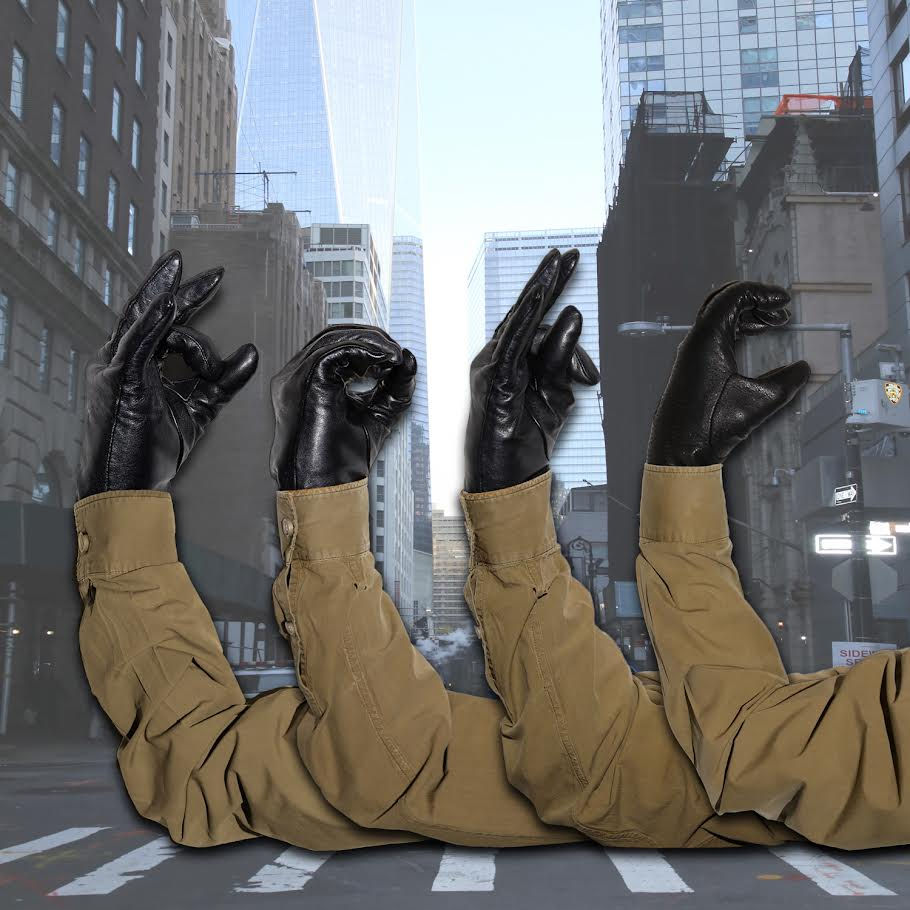
The French multi-instrumentalist, producer and singer is back with his highly anticipated album Tyber, created over years of movement and shaped and inspired by the places he has travelled, the musicians he has worked alongside and an ever-evolving approach to his craft. 

Across the record, FKJ brings together an eclectic range of instruments including saxophone, drums and synths, using detailed production elements alongside live instrumentation, which remains a core aspect of his work. As a result, the album takes you on his journey of self-discovery and expansion. 

From the upbeat, majestic feel of ‘How Much Does It Take To Shift It All,’ with the dreamy Lucy Park, to the downtempo, groovy ‘Burst’ with Baby Rose, with its catchy hook, the album further demonstrates his intention to create a stylistically smooth album. 

Tyber was a project in the making for FKJ, with his summer debut release ‘Soulmates’ and recently sharing the soulful, airy ‘I Want U’ with Eryn Allen Kane acting as entry points into the world of the album. FKJ curates a list of fellow international collaborators, paving their own way within the music industry to join him on this journey, with their contributions further exemplifying his innate instinct to experiment with genres, sounds and voices. 

Accompanied by a visual aspect, throughout the album campaign he released a series of cinematic live shots in Japan, following him as he performs while travelling through space aboard a spaceship. 

With his album Tyber, being released today and having lived and breathed the album tracks for so long, FKJ reflects on his process of putting the album together: “You know when you make an album, the artist usually wants to drop it and the team might push back a bit? I’ve lived with these songs for a few months already and now it’s funny,” he laughs “When you already have a song for yourself, you have one perception of the song and once it’s gone through everyone else's perception, then your own might change. 

“When you make a song, you become so focused on certain parts of it, spending hours on a particular thing. Our ears are like lenses, we can focus on some elements of what we hear and it’s very interesting to have that perception change now. It’s exciting to see what the rest of the album is going to bring to that.” 

He continues: “I usually take a lot of time for the selection of the songs, so it ends up exactly as I want it. It’s very complicated because you can hear a song, regret something, look at it again in a few months in a different context and realise that choice would have made sense now. But, I’m very happy about how these songs came to their final version on the album.”

Describing the songs on the album as a document of a period of self-discovery, FKJ reflects on how he sees them now: “I think it’s a bit early to say, as I’m just getting out of that period of time, so I still hear the same things as I was making it.” He continues, “To me, that’s what I love about documenting or journaling periods of life and change; when you hear them back, they are kind of like photo albums, going through them and remembering each song and each lyric as a particular moment, listening to a different version of myself.” 

Thinking about his musical evolution, existing between Electronic music, Jazz, Soul and Funk, genre is not something FKJ considers often for a musical idea but rather a rhythm or an analogy that morphs into a feeling and then a song: “I don’t think about going to the studio or going with an idea. A lot of the time, it’s in situations where I’m not in the studio: thinking of music in my head, an analogy, with a lot of the songs then coming from IPhone memos, a lot of the time taking them into the studio instead, so genre is not really decided at any moment. He explains: “It’s more like a vibe or feeling and then of course, I have so many musical influences which translate into my music.” 

Discussing his relationship with instruments and how he has spent a lot of his career building a signature sound, his relationship with instruments has stayed the same but he is still keen to keep learning and progressing: “I still see them [instruments] as a bunch of toys in a room and myself trying to stay the kid, I was when I started playing them. I’m very grateful now that the music shop has taken over my house,” he elaborates, “It’s such a blessing because when I was a late teenager, I'd be working hard to earn money here and there to be able to play just one guitar or one synth player.” showing his dedication and hunger to learn instruments from a young age. 

FKJ’s influences span across Jazz, Rock and Hip-Hop just to name a few, recalling his fond memories of how he discovered artists who eventually became his inspirational reference points: “My first introduction to music was my Parents’ library and that was more musicians like Django Reinhardt, Charlie Parker and Santana. Then I had a big Hip-Hop phase,” a genre he was tapping into through the radio, “When I was nine, I was a big producer fan, so I was a big fan of The Neptunes and N.E.R.D.” Listening back to these albums now, he still becomes inspired to this day, leading him to perhaps take production as one of the many important points of his craft. 

With a variety of voices featured on this album, FKJ tells how he comes up with collaborations, blossoming from friendships: “A lot of the time, we [collaborators] meet, kind of like a happy accident and that’s how almost all of the collaborations on this album happened. I was a fan of them all too, with all our interactions being very natural then deciding to become both friends and collaborators respectively.” Despite not all the songs making the cut, with the thought that they will be used for future projects, he explains: “It’s about connection and then building or sculpting the album around what we made with all these great people I’ve connected with.” 

Whilst travelling during the recording of the project, FKJ describes his inanimate inspirations that were drawn from for the album: “The weather and the architecture is very influential. The album was made in lots of different places because there was an aspect of looking for answers at this time, which is also what made the album so diverse in its sounds and colours, even though I try to make it very coherent.”

When it comes to performances, FKJ is known for his live experimentation and letting himself feel the music to create a mood for his audiences. For this album, he wishes to blend this with his past successes to make a show to remember: “The show I’m creating is going to come with the album and be about all the music I have made. It’s always pretty exciting to change and sculpt the songs differently to jump into the point of view of the listener. I’m always excited for the next thing and this live aspect will be my focus right now, I love it.” 

Following the release of Tyber, FKJ will embark on an extensive headline world tour across Europe, North America, Asia, Australia and New Zealand, with audiences having the chance to experience the album live and immersing themselves into this quest he continues to expand.


Comments


INTERVIEWS
RECENT POSTS

© 2023 by New Wave Magazine. Proudly created by New Wave Studios

bottom of page